
Sunni Islam (أهل السنة والجماعة)
The largest branch of Islam, with numerous jurisprudential and theological traditions; the Hanafi, Maliki, Shafi'i, and Hanbali schools of jurisprudence are among the best known. The Quran and the Prophet's Sunnah are the primary sources; interpretation of hadith, jurisprudence, and theology varies among Sunni schools, and there is no centralized, global religious leadership.
Religion links
- Parent religion
- Islam (الإسلام)
Religion profile
- Name in original language
- أهل السنة والجماعة
- Symbols
- There is no single official symbol; the signs and symbols of this tradition vary across communities and branches.
- type
- Religion/Sect
- Founder or central figure
- It has no separate founder; it emerged from the early Muslim community and its historical evolution.
- Origin date (historical context)
- The first distinctions regarding community leadership emerged after the death of the Prophet Muhammad in the seventh century AD.
- Exact origin date
- The first distinctions about the leadership of society were formed after the death of the Prophet of Islam in the 7th century AD; Asia, the Arabian Peninsula and surrounding lands, Mecca and Medina; the initial origins
- Place of origin (continent)
- Asia
- Place of origin (country)
- The Arabian Peninsula and surrounding lands
- Place of origin (city)
- Mecca and Medina: The Beginnings
- Historical origin
- The largest branch of Islam with numerous jurisprudential and theological traditions; the Hanafi, Maliki, Shafi'i, and Hanbali schools of jurisprudence are among the best known.
- Core beliefs
- The Quran and the Prophet's Sunnah are the primary sources; the interpretation of hadith, jurisprudence, and theology differs among Sunni schools, and there is no centralized, global religious leadership.
- God or deities
- Allah, the One God; the fundamental doctrine of monotheism
- Prophets or sacred figures
- Muhammad, his companions, and prominent scholars; the position of individuals in historical and religious evaluations varies between schools.
- Rituals and practices
- Common Islamic worship practices with jurisprudential differences in the details of prayer, fasting, and rituals.
- Places of worship
- Mosque, prayer room, and in some traditions, a place of pilgrimage
- Important days and occasions
- Friday, Ramadan, Eid al-Fitr and Eid al-Adha; other occasions differ across religions
- Important rules and rulings
- Quran, Sunnah, and Fiqh: The method of inference and rulings differs across schools
- Geographic distribution of followers
- Middle East, Africa, Central Asia, South and Southeast Asia, and global communities
- Religious languages
- Arabic in the Quran and worship; Persian, Urdu, Turkish, Malay and local languages
- Leaders
- Scholars and Imams of the community: There are four prevalent schools of jurisprudence, and there is no single universal authority.
Related articles
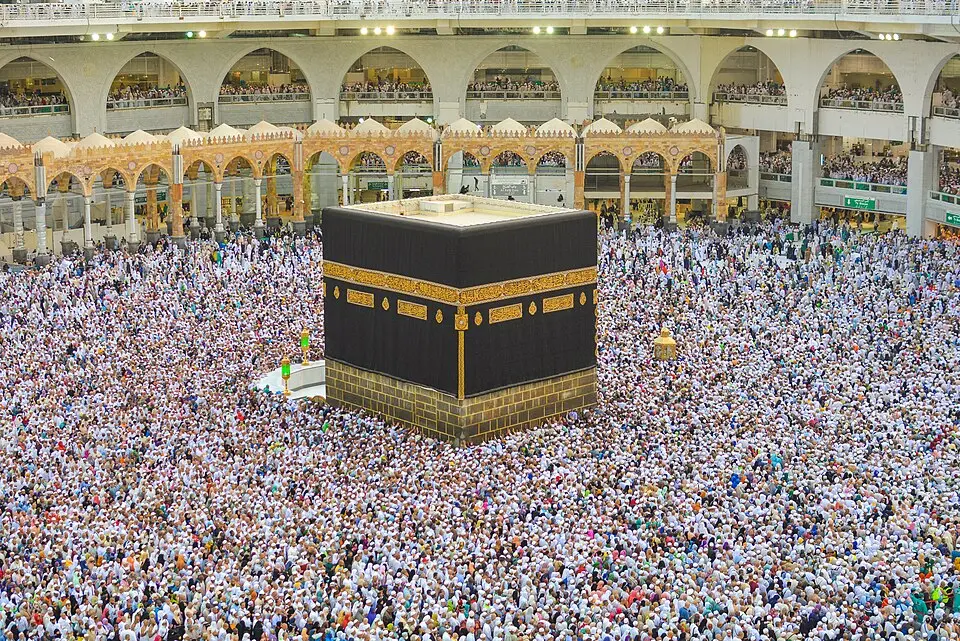
Understanding Sunni Islam (Ahl al-Sunnah wal-Jama'ah) requires examining a religious tradition with a unique history and social experience. The largest branch of Islam with numerous jurisprudential and theological traditions; the Hanafi, Maliki, Shafi'i, and Hanbali schools of jurisprudence are among the best known. Geographical origins and date of its beginning: The first distinctions regarding the leadership of the community were formed after the death of the Prophet Muhammad in the 7th century. Geographical location: Asia, the Arabian Peninsula, and surrounding lands; Mecca and Medina; Early origins. No separate founder; emerged from the early Muslim community and its historical development.
Beliefs and theology. The Quran and the Sunnah of the Prophet are the primary sources; interpretation of hadith, jurisprudence, and theology varies among Sunni schools, and there is no centralized, universal religious leadership. Regarding God or the sacred reality, Allah, the One God; the doctrine of monotheism is fundamental. This description is a general introduction; schools and communities may have different formulations.
Sacred figures and rituals. Important figures in the narratives of this tradition include: Muhammad, the companions, and prominent scholars; the position of individuals in historical and religious evaluations varies between schools. Common practices and rituals: Common Islamic acts of worship with jurisprudential differences in the details of prayer, fasting, and rituals. Places of worship or gathering: Mosque, prayer room, and in some traditions, shrine.
Texts, ethics, and occasions. Important sources and laws: Quran, Sunnah, and jurisprudence; the method of inference and rulings differs across schools. Religious occasions and days: Friday, Ramadan, Eid al-Fitr, and Eid al-Adha; other occasions differ across sects. Religious leaders or institutions: scholars and congregational imams; four major jurisprudential schools of thought are prevalent, and there is no single global authority.
Extent and internal diversity. The tradition has followers and communities in the Middle East, Africa, Central Asia, South and Southeast Asia, and global communities. Its religious or textual languages include Arabic in the Quran and liturgies; Persian, Urdu, Turkish, Malay, and local languages. Historical, local, and intrareligious diversity should not be reduced to a single narrative.
This entry is intended for historical and comparative introduction. Regarding the branches, disputed dates and self-naming of communities, the views of the followers themselves and specialized sources of the same tradition should be taken into account. Type title of this entry: Religion / Branch.
The name of this tradition may have several forms in different languages and periods. The local name recorded in this file is "Ahl al-Sunnah wal-Jama'ah" and its Persian title is "Sunni Islam". The use of these names within the community is not always the same, and sometimes the external name, the academic name, or the name chosen by its followers are different. For this reason, the title of this page is a search and identification guide and does not alone determine the boundaries of the identity of all followers.
To understand the time of origin, it is necessary to distinguish between religious narrative, institutional history, and scholarly dating. In this case, the historical interval or explanation is recorded as follows: The first distinctions about the leadership of the community were formed after the death of the Prophet Muhammad in the seventh century AD. The year given for the timeline is only an approximate indication for ordering, and if the sources differ, the descriptive text precedes the number. The formation of many traditions was gradual; therefore, one day, city, or individual cannot always be considered the definitive beginning of all of them.
The transmission of religious knowledge in this tradition is through text, teaching, oral memory, or a combination of these. The sources and rules cited in the information in this entry are: the Quran, Sunnah, and jurisprudence; the method of inference and rulings varies among schools. The languages associated with study and ritual are also Arabic in the Quran and in the prayers; Persian, Urdu, Turkish, Malay, and local languages. The versions, translations, and commentaries of texts may differ in different periods and communities; consequently, the name of a book or language alone does not indicate that all followers have the same understanding or method of study.
In everyday life, the teachings can be reflected in prayer, family, education, social relationships, and moral decisions. The recognized forms of religious practice in this case are: communal Islamic worship with jurisprudential differences in the details of prayer, fasting, and rituals. Some of these practices are public, and some are performed only in certain circumstances, times, or congregations. The degree of participation of followers also varies: one person may perform rituals regularly, while another may be more identified with the cultural or communal heritage of the same tradition.
Places of worship and community represent the historical memory and local connection of each community. In this tradition, recognized places or ritual spaces include mosques, prayer rooms, and in some traditions, shrines. Not all of these spaces are necessarily formal temple or church buildings; homes, open spaces, local shrines, and natural sites can also play important roles. The importance and accessibility of each place depends on the local narrative and the rules of that community, and one example should not be generalized to all areas.
The religious calendar often links history, nature, and community life. The occasions recorded for this tradition include Friday, Ramadan, Eid al-Fitr, and Eid al-Adha; other occasions vary by religion. The timing and manner of observance may vary based on the lunar or solar calendar, geographical region, branch, and family tradition. Some days are associated with worship or fasting, while others are occasions for gathering, commemoration, or community service; the meaning of each occasion must be read in the context of that tradition and society.
The structure of religious leadership and decision-making is also part of the identity of a tradition. In this case, the recognized roles are described as follows: scholars and imams of the congregation; four major juristic schools of thought are prevalent and there is no single global authority. Authority can be distributed among local leaders, teachers, elected bodies, religious families, or authoritative texts. In many religions, there is no single central organization and several authoritative centers operate simultaneously; therefore, the title of an authority or institution does not necessarily mean that it represents all followers worldwide.
The geographical scope of a religion has changed both historically and today. Communities associated with Sunni Islam live in the Middle East, Africa, Central Asia, South and Southeast Asia, and worldwide, and Arabic is used in the Quran and in worship; Persian, Urdu, Turkish, Malay, and local languages are used in the text, teaching, or everyday conversation of some of them. Migration, trade, education, shifting political boundaries, and intergenerational contact have all influenced local forms of religious practice. As a result, the experience of a follower in one country may differ markedly from that of followers of the same tradition in another region.
The classification of this entry is "Religion / Branch" and is used for cataloguing purposes. This label is not a judgment about the authenticity, value, or superiority of any group. The boundaries between religion, denomination, movement, and cultural tradition are not always clear-cut in research and community self-identification; especially in traditions that have multiple branches or are intermingled with neighboring traditions. The fields on this page provide searchable basic information and are not intended to replace local narratives or conversations with followers.
In examining the beliefs of any society, one must also consider the difference between the official text and the actual practice of the people. The Quran and the Sunnah of the Prophet are the primary sources; the interpretation of hadith, jurisprudence, and theology varies among Sunni schools, and there is no centralized global religious leadership. This is a brief introduction; members of a family, generation, or community may differ in interpretation, degree of adherence, or priority of values. Such differences are a normal phenomenon in the history of religions and should not be interpreted as simple contradictions or a lack of common identity. For a more accurate understanding, each claim must be measured against the history, language, and social context of that society.
This introduction deliberately distinguishes between relatively well-documented information and subjects with different narratives. The sections on the founder or central figure state: It has no separate founder; it emerged from the early Muslim community and its historical development. If the tradition does not have a single founder, this does not mean that it is unimportant; many religions have emerged from multigenerational development and family and local transmission. Also, the numbers in the historical table are for ordering purposes and do not claim to definitively establish a disputed date.
To complete the study, one can simultaneously refer to intrareligious writings, academic research, and social history, and assess the difference in the purpose of each source. The titles related to the text and memory of this community in the current record are: Quran, Sunnah, and jurisprudence; the method of inference and rulings differs across schools. Along with this, one must also see oral narration, historical works, and the perspectives of different groups. No general summary can cover all individual experiences; this page is a starting point for understanding, not a substitute for specialized sources or the words of the followers themselves.
Your comment
Comment without signing up
Your comment will be displayed after admin approval. Using profanity and insults is not allowed; A view without these items will be approved. Your chosen name and profile picture are published along with the comment; The communication method and account ID are only available to the management.