
Religions and denominations
۱۵۰ article
 Latter-day Saint Movement (Latter Day Saint movement)The history and formation of the Latter-day Saint movement is linked to the following historical context: A 19th-century North American Christian movement. Joseph Smith was the founder of the Latter-day Saint movement. Christ-centered and based on the Bible and the Book of Mormon; branches of this movement have different teachings and organizations.Judaism (יהדות · Yahadut)Judaism is a long-standing religious and ethnic tradition whose history is linked to ancient Israel, the Babylonian exile, the formation of Hebrew texts, and subsequent rabbinic interpretation. Covenant, monotheism, Torah, justice, and moral responsibility are important themes; Jewish understandings of God and interpretation of the text are not uniform.Jehovah's Witnesses (Jehovah’s Witnesses)The history and formation of Jehovah's Witnesses is linked to the following historical context: The North American Bible Study movement of the late 19th century. Charles Taze Russell was one of the founders of the Bible Study Society. Non-Trinitarian interpretation of Christianity, emphasis on the name Jehovah and the Kingdom of GodChristian Science (Christian Science)The history and development of Christian Science is linked to the following historical context: A religious movement in the United States in the late 19th century. Mary Baker Eddy was the founder and author of the central text. A spiritual interpretation of Christianity and healing; teachings are codified in the movement's main text.Quaker; Society of Friends (Religious Society of Friends)History and formation of Quakers; the Society of Friends is connected to the following historical context: 17th-century English religious movement. George Fox one of the main early figures. Emphasis on the inner experience of divine presence, honesty, and peace; Quaker theology is diverseEthiopian Orthodox Tewahedo Church (Ethiopian Orthodox Tewahedo Church)The history and formation of the Ethiopian Orthodox Tewahedo Church is linked to the following historical context: Ethiopian Christianity since the 4th century; independent church in ۱۹۵۹ . Local Christian tradition; Fromentius is prominent in the early historical narrative. Monotheistic theology and Ethiopian Christian heritage, with specific traditional calendars and textsCoptic Orthodox Church (Coptic Orthodox Church)The history and formation of the Coptic Orthodox Church is linked to the following historical context: Egyptian Christian tradition; institutional separation after the Council of Chalcedon. Egyptian Church tradition; the Apostle Mark is considered one of the early founders in the Coptic tradition. Miaphysite theology, Egyptian monastic heritage, and the Coptic liturgical traditionChurch of the East (Church of the East)The history and formation of the Church of the East is linked to the following historical context: the Syriac Christian tradition of the East; institutional independence in the early centuries. the Apostolic tradition of the East; historical christological descriptions in the sources must be read carefully. the East Syriac heritage and the ancient liturgy; identity continues today in various churchesArmenian Apostolic Church (Armenian Apostolic Church)The history and formation of the Armenian Apostolic Church is linked to the following historical context: The national church of Armenia received state recognition in the early 4th century. Apostolic tradition; Gregory the Illuminator as a pivotal figure. Apostolic Christianity with Armenian tradition and Eastern ChristologyPentecostal (Pentecostalism)The history and formation of Pentecostalism is linked to the following historical context: 20th century global movement; Azusa Street ۱۹۰۶ Historical focal point. Numerous pioneers; Charles Parham and William Seymour among early figures. Emphasis on experience of the Holy Spirit and spiritual gifts; churches' theology is not uniformMethodist (Methodism)The history and formation of Methodism is linked to the following historical context: The revival movement in England in the 18th century. John Wesley and Charles Wesley were early figures. Practical holiness, grace, and spiritual growth; doctrines are tied to the Methodist church concerned.Mennonite (Mennonite Church)The history and formation of Mennonites is linked to the following historical context: Dutch and Swiss Anabaptist tradition in the 16th century. Menno Simons is one of the namesake and organizing figures. Discipleship of Christ, congregation, pacifism in many branches and mutual aidAnabaptist (Anabaptism)The history and formation of Anabaptism is linked to the following historical context: Radical Reformation movement in Switzerland in the 16th century. Conrad Grebel and the reformers of the same period were among the early figures. Believers' baptism, voluntary congregations, pacifism in many branches, and relative separation of church and state.Seventh-day Adventist (Seventh-day Adventist Church)The history and formation of Seventh-day Adventists is linked to the following historical context: A church organization formed in the United States in the 19th century. Adventist movement; Ellen G. White is an influential figure. Expectation of Christ's return, Sabbath observance, and health; Official church principles are codifiedReformed Christianity (Reformed Christianity)The history and formation of Reformed Christianity is linked to the following historical context: the 16th-century Reformation in Switzerland and Europe. Ulrich Zwingli, John Calvin, and numerous reformers. The sovereignty of God, the covenant, and the authority of the Bible in different traditions; theological forms are not the same.Presbyterian (Presbyterianism)The history and formation of Presbyterianism is linked to the following historical context: Reformed institutional form in 16th-century Scotland. John Knox was a key figure in the institutional formation. Reformed theology and church governance by elected councils of eldersLutheran (Lutheranism)The history and formation of Lutheranism is linked to the following historical context: The German Reformation in the 16th century. Martin Luther and his fellow reformers. Emphasis on grace, faith, and the importance of the Bible; Lutheran confessions play a role in the articulation of doctrinesBaptist (Baptist Christianity)The history and formation of Baptists is linked to the following historical context: English and Dutch Baptist movements in the 17th century. Numerous pioneers; John Smith among the early figures. Believers' baptism, freedom of conscience, and local congregational autonomy in many churches.Anglican (Anglicanism)The history and formation of Anglicanism is linked to the following historical context: the Church of England separated from the authority of Rome in the 16th century; has older British roots. The English Reformation; Henry VIII played a role in the royal separation, not the sole founder of theology. Historical combination of Catholic heritage and Protestant Reformation; wide theological spectrumProtestantism (Protestantism)The history and formation of Protestantism is linked to the following historical context: the 16th-century European Reformation movement; ۱۵۱۷ Symbolic history of the beginning of the Reformation. Martin Luther, Ulrich Zwingli, John Calvin, and other reformers. Different emphases on Scripture, faith, and church reform; theology and organization are very diverse across branchesEastern Orthodox Churches (Oriental Orthodox Churches)The history and formation of the Eastern Orthodox Churches is linked to the following historical context: After the Council of Chalcedon in the 5th century, they found a separate ecclesiastical path. Apostolic tradition in the Coptic, Armenian, Syriac, and Ethiopian churches. Non-Chalcedonian Christological traditions; these churches themselves call their understanding Miaphysite Christology.
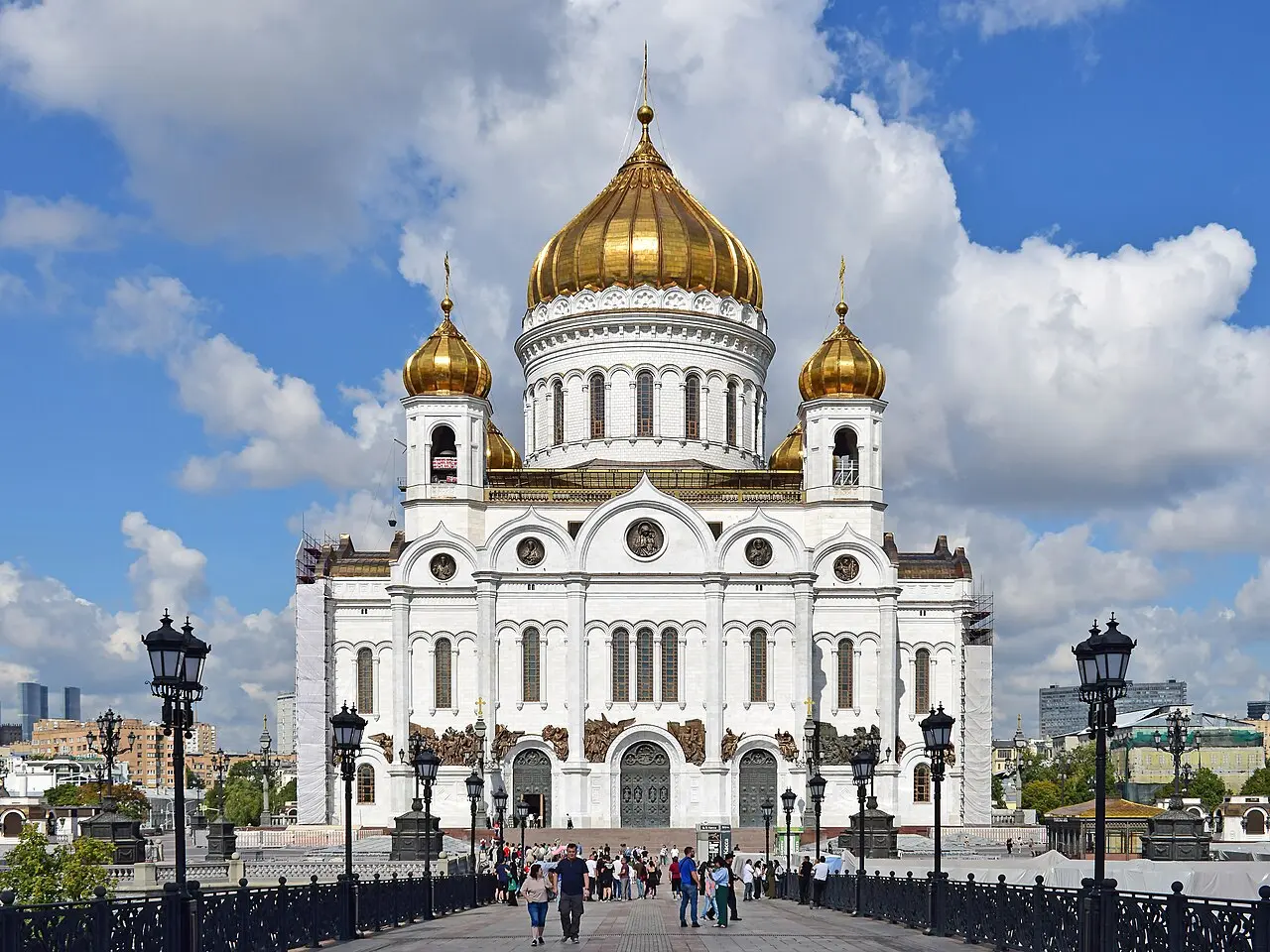 Eastern Orthodox Church (Eastern Orthodox Church)The history and formation of the Eastern Orthodox Church is linked to the following historical context: the gradual separation of East and West; the year ۱۰۵۴ It is an important historical symbol, not just a moment of separation. Apostolic tradition; autonomous churches have a separate historical form. Nicene, sacraments, theology of the Church Fathers and the importance of prayer and icons
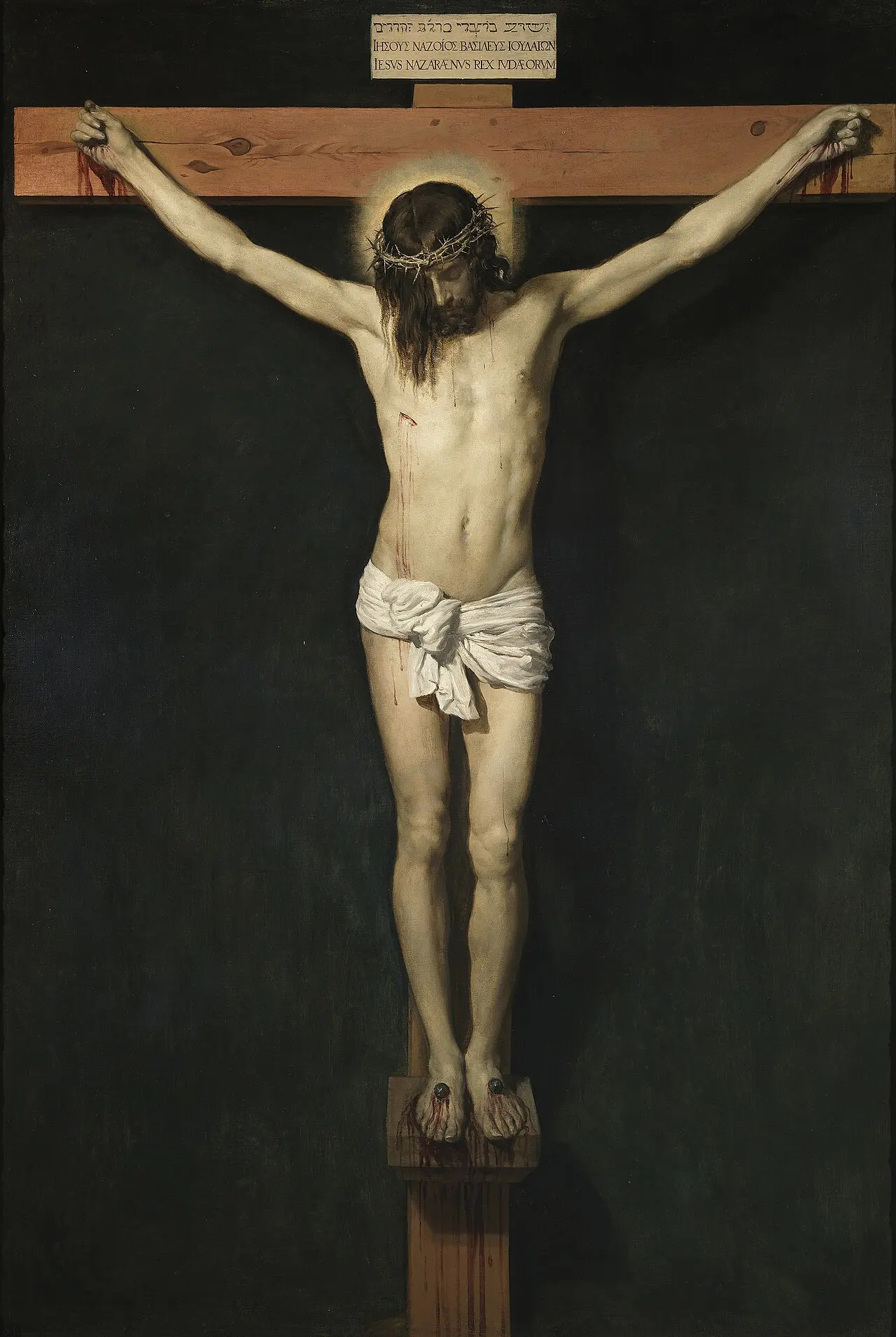 Christianity (Christianity)It emerged within the context of first-century Judaism and gradually developed into a global tradition with diverse churches and theologies. Belief in God, Jesus Christ, the Bible, and hope for salvation; the doctrine of the Trinity is central to most churches.
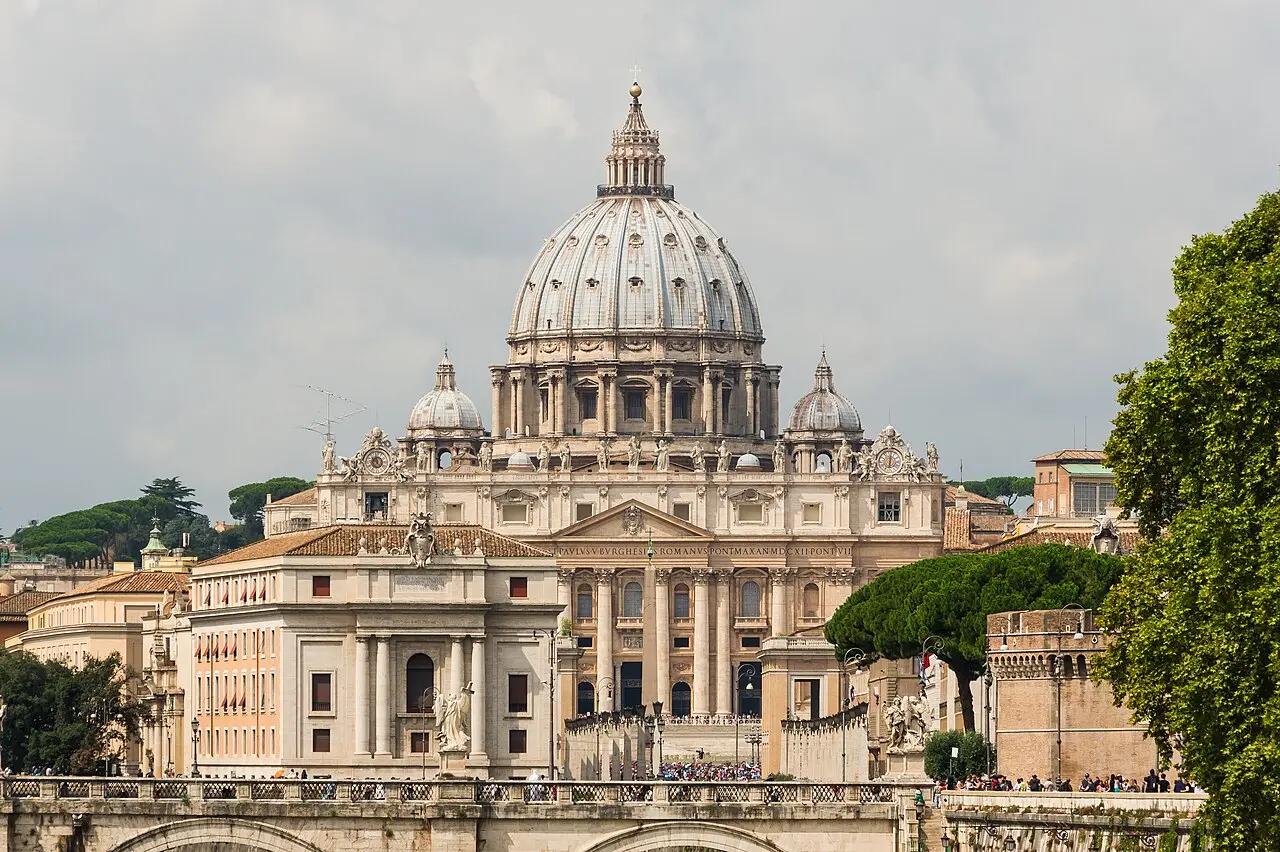 Catholic Church (Catholic Church)Connection with the apostolic tradition, the seven sacraments, the authority of bishops and the special role of the Bishop of Rome, the one God and Nicene Christology; the doctrine of the Trinity
 Islam (الإسلام)Islam is a monotheistic, Abrahamic religion that emerged in the 7th century AD on the Arabian Peninsula. Muslims believe in one God, the prophethood of the Prophet Muhammad, and the Quran as their holy book. Its most important religious practices include prayer, fasting, zakat, and pilgrimage.